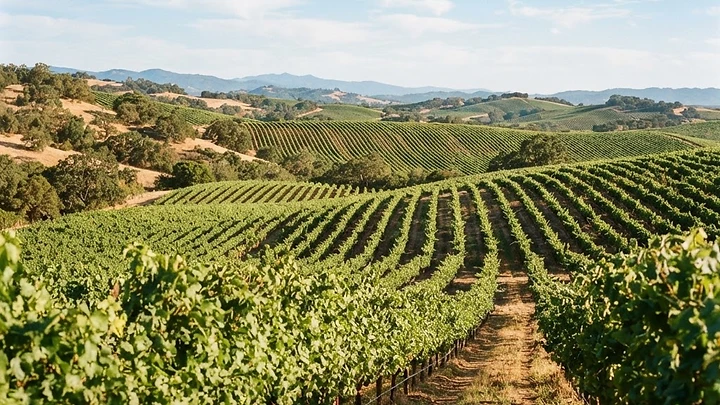
A no-nonsense guide to natural wine tastings in Sonoma County
Natural wine, sometimes called low-intervention or "natty" wine, is made with native yeasts, minimal additives, and as little manipulation as possible. The result is bottles that taste alive: bright, sometimes cloudy, often unfiltered, and always a little unpredictable. Sonoma County is one of the best places in California to drink this way, because so many small growers farm their own land, pick by hand, and bottle tiny lots you will never see on a supermarket shelf.
This guide is for anyone planning a Sonoma wine country trip who wants more than the standard tasting menu: bachelorette groups looking for a fun private party, couples plotting a slow weekend, and visitors who would rather meet a winemaker than a barcode. You will find regional pairing notes below, from the Russian River's chilled pinots and pet-nats to Dry Creek's old-vine zinfandel, plus tips on when to visit and how to taste well without feeling lectured at.
Where to taste what
Dry Creek Valley
Old vines, low intervention
Dry Creek and northern benchlands hold some of Sonoma's oldest zinfandel plantings. Low-intervention producers ferment these with native yeast and bottle unfined, giving spice-driven, blackberry-forward wines that still drink fresh. Ask for barrel or library pours when you visit, since many are open by appointment only.
Pours: Old-vine zinfandel, field blends · Best time: Spring or post-harvest fall
Sonoma Coast
Coastal cold and the sparkling fix
Out toward the coast, the fog keeps harvest weeks later than inland valleys, and sparkling producers take full advantage. Cool-climate pinot and chardonnay go into traditional-method bottles and easy-drinking pétillant naturel alike. Bring a jacket, book a picnic table, and plan for slow afternoons.
Pours: Traditional-method sparkling, cool-climate pinot · Best time: Late summer
Russian River Valley
Chardonnay without the oak stick
The Russian River Valley runs cold, so its chardonnays and pinot noirs keep their edge: bright acid, sea-spray minerality, none of the butter-bomb heaviness. Small growers here bottle pet-nats and still wines from the same fruit, so one tasting room can show you both sides of the grape.
Pours: Pet-nat, pinot noir, mineral chardonnay · Best time: Late summer into fall
Sonoma Valley & Carneros
Tasting rooms that feel like a dinner party
The town of Sonoma and its surrounding carneros edges are where the casual, wine-club energy lives: small rooms above shops, communal tables, bottles poured by the people who made them. This is the sweet spot for groups who want conversation over ceremony, and the easiest place to fold in a pop-up dinner or private tasting.
Pours: Skin-contact whites, chillable reds · Best time: Year-round
A few house rules for tasting well: go to fewer places and stay longer, ask what the winemaker is excited about this vintage, and always spit or slow down after the third pour. If you would rather have someone build the whole itinerary — hotels, tastings, and dinner reservations included — Rare Taste offers private tastings, pop-up dinners, and a Sonoma travel concierge service built around small local producers.